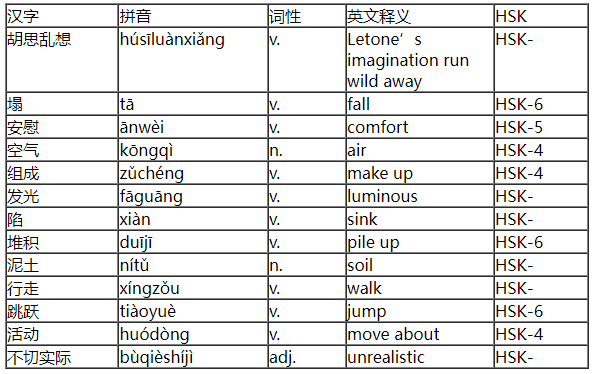
从前,杞国有个喜欢胡思乱想的人,他担心天会塌下来,为此,他既吃不下饭,也睡不好觉。
他的朋友安慰他说:“天是由气体组成的,我们就生活在空气中,天是不可能塌下来的。”
那人又说:“天是气体,那太阳、月亮、星星不就会掉下来吗?”
他的朋友说:“太阳、月亮、星星也是空气中发光的东西,即使掉下来,也不会有什么伤害。”
那人又说:“如果地陷下去怎么办?”
他的朋友说:“地不过是堆积的土块罢了,我们行走、跳跃,整天都在地上活动,你怎么还担心地会陷下去呢?”
杞国人听了之后,意识到自己的担心是没有根据的。
杞人忧天的故事告诉我们:为一些不切实际的事情而忧愁是没有必要的。
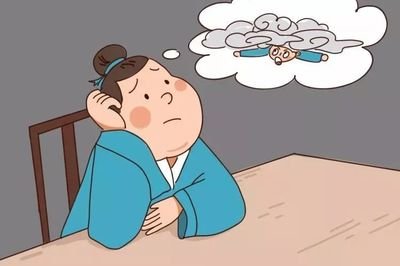
In ancient times, in the State of Qi, there was a man who always let his imagination run away with him. One day he even worried that the sky would fall on his head. He was so worried that he could neither eat nor sleep well.
His friend said to him, “The sky is formedby air. We are living in the air. It is impossible to fall.”
He said, “Even if the sky isformed by air, won’t the sun, moon, and stars fall?”
His friend said, “They are also luminous things in the air. Even if they fall down, they will not cause any harm.”
The man said, “What if the ground sinks.”
His friend said, “the ground is just a pile of soil. We walk, jump and move on the ground, why do you worry about the ground will sink?”
After hearing this, He realized that his fears were groundless.
The story tells us that it is unnecessary to worry about something unrealistic.
句式
①既……,又…… (and)
表示同时具有两个方面的性质(characters)或情况(situation),连接动词或形容词(Connect two verbs or adjectives)。
她既会唱歌,又会跳舞。
新教室既暖和,又舒适。
小组成员既要有分工,又要互相配合。
②即使……,也…… (even if)
前面表示假设(assume)的情况,后面表示结果不受这种情况的影响(affect)。
明天即使下大雨,我们也要上课。
即使答错了,也没关系。
即使你跟我道歉,我也不会原谅你。

 苏公网安备 32100302010246号