Qingming is one of the 24 solar terms in the Chinese lunar calendar known as ‘Pure Brightness’. It is also one of the most important traditional festivals to pay tribute to deceased family members.
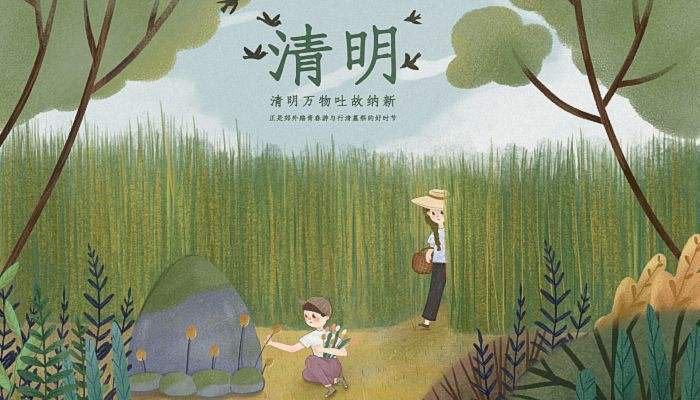
Qingming Festival, or Tomb-Sweeping Day, usually falls around April 5th when spring is in full bloom. The words "clear" and "bright" describe the weather during this period. Temperatures begin to rise, rainfall increases and plants start to grow quicker which makes it good time for plowing and sowing.
Origin
Let’s see how Qingming traditions were formed before we proceed. The traditional Chinese Qingming Festival originated in the Zhou Dynasty. People usually went to the countryside to sweep the tombs of deceased relatives. They also enjoyed spring outings at the same time. By the time of the Song/Yuan Dynasty, the Qingming Festival had gradually become a festival centered on tomb-sweeping and ancestor worship. In the past there was also the Cold Food festival and the Shang Si Festival that were held around the same time, but they have now been incorporated into the Qingming Festival.
Customs
Tomb-sweeping
Qingming is a period in which Chinese people honor nature and pay tribute to deceased family members. Weeds around the tomb are cleared away and fresh soil is added to show care for the dead. The departed person's favorite food, wine and chopsticks are offered on their tombs, along with paper money and new willow branches. This is a representation of filial piety in Chinese philosophy.
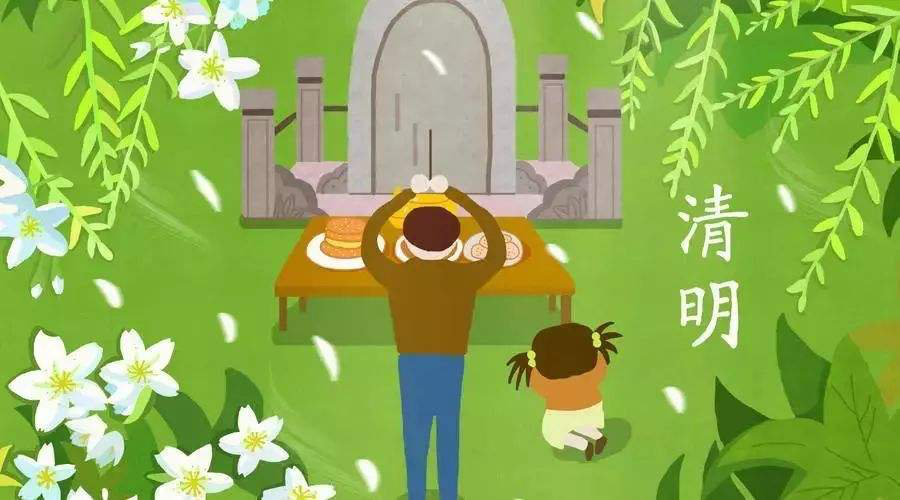
Due to the Covid-19 pandemic, a "cloud tomb-sweeping" service has been launched, through which people make an online tomb and pay respect to the deceased virtually instead of by traditional means. No matter how it’s done, it is a means to honour the deceased and to recognise heroes which helps us to carry on into the future.
Spring Outing Activities
Paying tribute is not the only theme for the Qingming Festival. The day could be spent in joy as well as sorrow, as the traditional “spring outing” is another tradition. Since temperatures rise during spring, it is also a festival for outdoor entertainment. Ancient Chinese invented different games like kite-flying, Cu Ju (a soccer-like sport in ancient China), swinging, and tree-planting as entertainment during Spring.
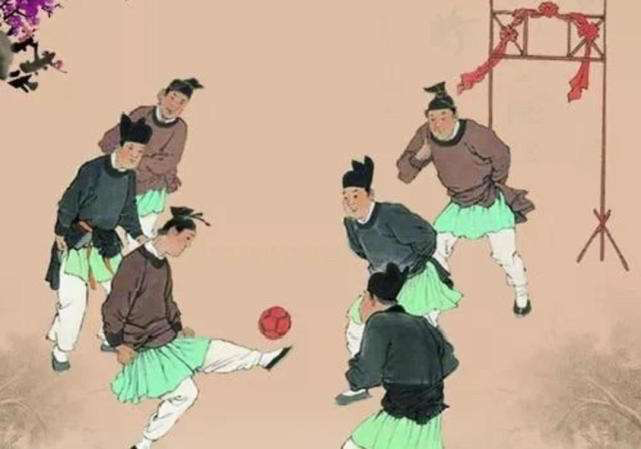
蹴鞠

放风筝
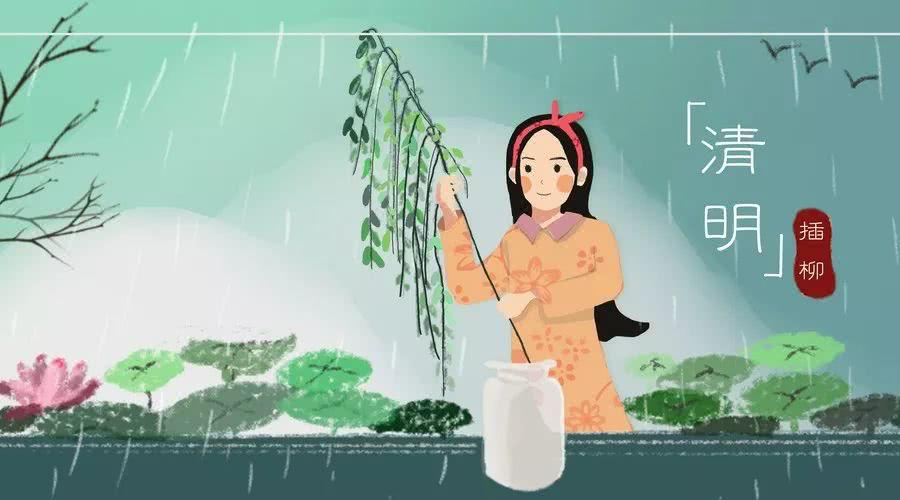
插柳
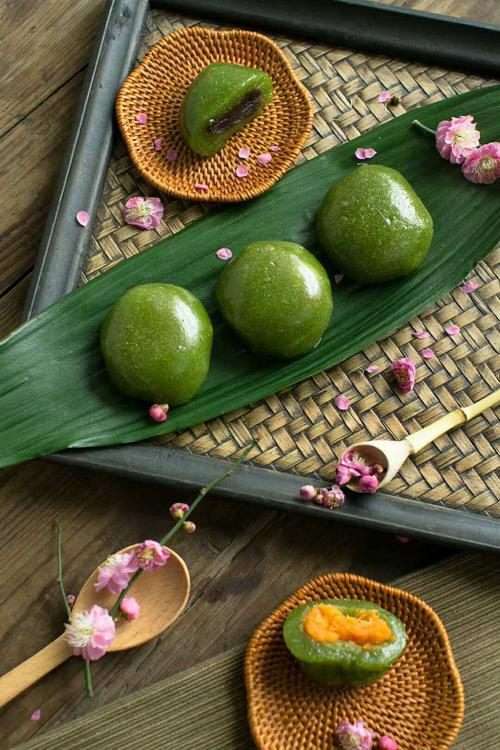
Eating Qingtuan
The Cold Food Festival or Hanshi Festival is a traditional Chinese holiday celebrated one day before Tomb-Sweeping Day or even coinciding with it. On that day, making fire is taboo and only cold food is available. Qingtuan, made of glutinous rice and paste inside, is known as “the dessert of the Qingming Festival.” The glutinous rice is steamed and pounded with green mugwort or bromegrass juice, and then filled with a sweet paste like red bean or black sesame (which is popular in northern China) while salty paste such as egg or dried meat floss is quite popular in southern China. Once you’ve tried it, you’ll love its aroma of fresh green grass.
Enjoy Qingming Tea
Qingming tea is the tea bud picked up during the Qingming Festival and is the first batch of tea in the Spring. It is the best time to pick tea, because spring rain is abundant and the temperature is moderate. The quality of "Ming Qian tea" (tea picked before Qingming Festival) is particularly good.
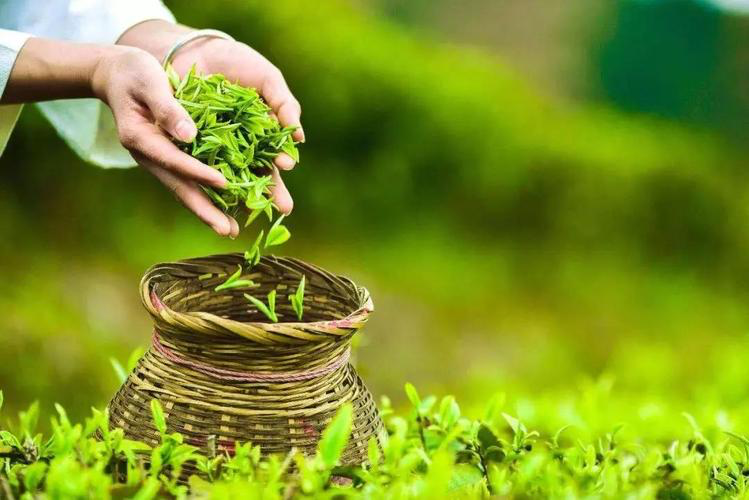
Li Shizhen, a famous doctor of the Ming Dynasty, praised "Ming Tea". Qingming tea is fragrant and mellow, rich in vitamins and amino acids, which nourish the liver and eyes, eliminates phlegm and thirst, clears the brain and refreshes. It is the best drink of the year. As the saying goes, "spring sleep is not aware of dawn", drinking "Ming tea" is refreshing.
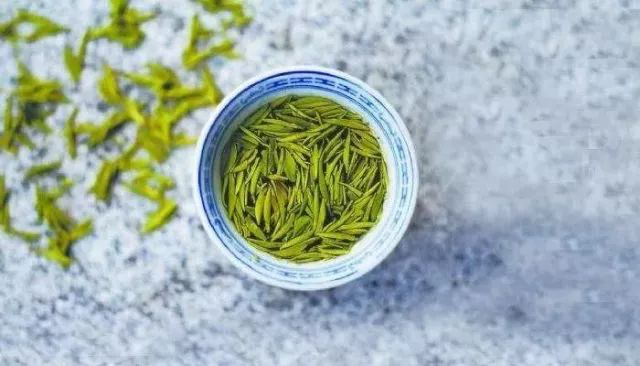
During Qingming festival,have a cup of tea, enjoy the green of the garden in spring and retain the aroma of Qingming tea. It leisurely infuses the beauty and hope of spring . The tea is intoxicating in the warm sunshine and the gentle breeze.


 苏公网安备 32100302010246号